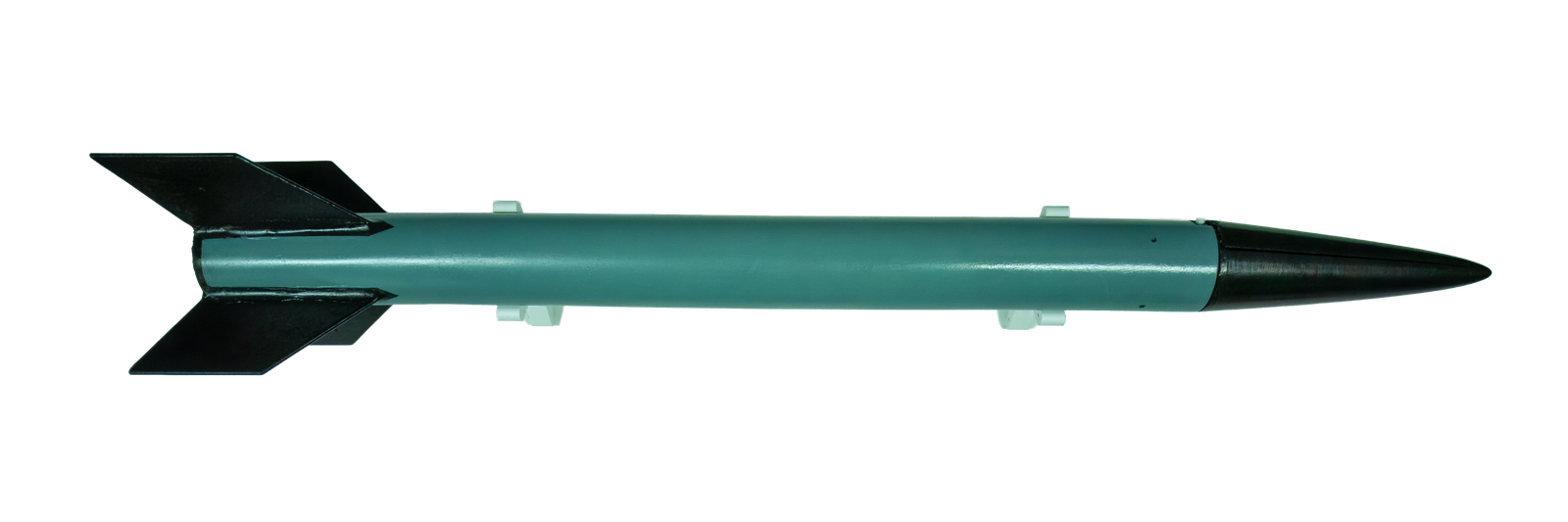
GENESSIS 1111–V1
A comprehensive HEPHAESTUS rocket design study that laid the groundwork for the team's subsequent missions.
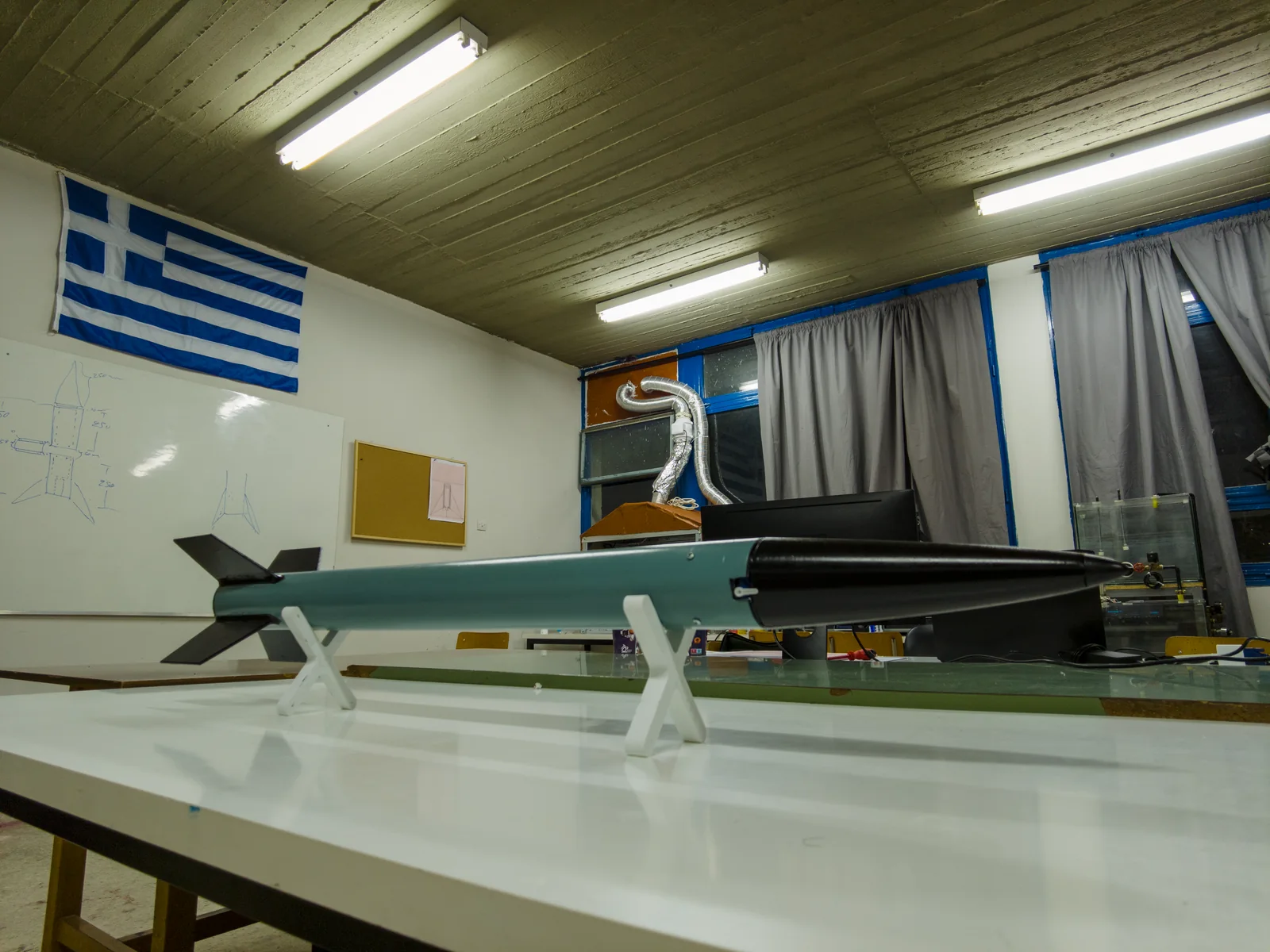
- Design apogee
- 1,266 m
- Design length
- 1,090 mm
- Estimated mass
- 1,853 g
- Design diameter
- 75 mm
The project
GENESSIS 1111–V1 is a comprehensive HEPHAESTUS design study focusing on stability, modular construction and payload protection.
The project was used to study rocket geometry and the relationship between mass, aerodynamic behaviour and subsystem layout. The design includes a centre-of-gravity adjustment system, a reinforced payload compartment and a recovery mechanism. GENESSIS helped develop CAD workflows, requirements management and the evaluation of alternative solutions, providing an important starting point for subsequent missions.
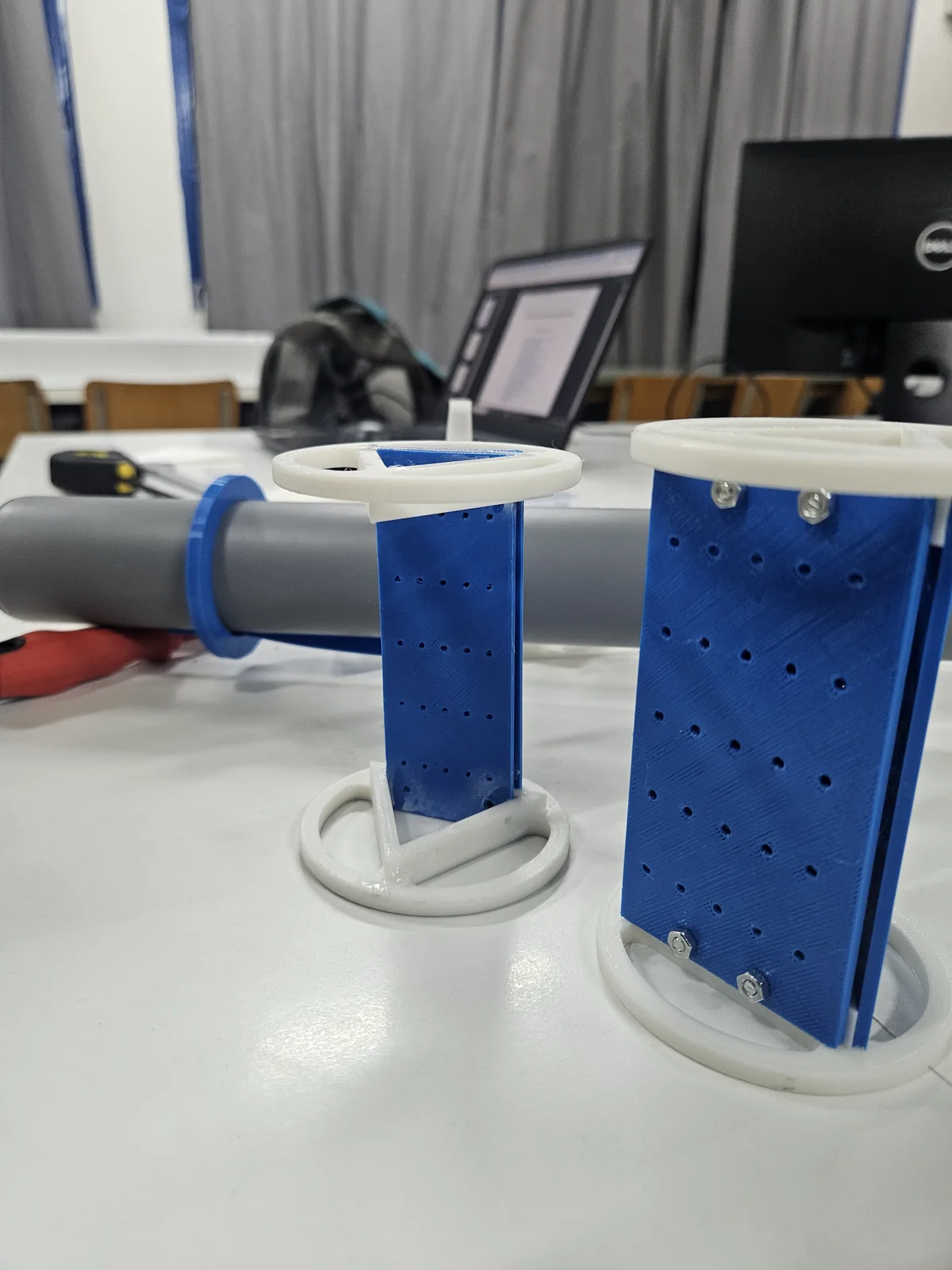
Every part. One system.
Basic geometry and architecture
The initial design focused on the overall geometry and the arrangement of the rocket's main sections. CAD tools were used to examine dimensions and the feasibility of connecting different subsystems into a single structure. The model links the external geometry with the internal layout, allowing the positioning, connection and accessibility of individual systems to be studied.
Stability and centre of gravity
A key feature of the design was investigating the possibility of adjusting the centre of gravity. The proposed mass-distribution adjustment uses a linear-motion mechanism to study the relationship between the centre of gravity (CG) and centre of pressure (CP).
Payload protection
A reinforced arrangement using Kevlar was considered for the payload compartment. The aim is to reduce the effects of mechanical stress on electronics and experimental components while retaining access for maintenance.
Proposed recovery system
The design proposal included a servo-based release mechanism activated by a command from the control system. Alternative deployment criteria were considered, including sensor measurements and timing conditions.